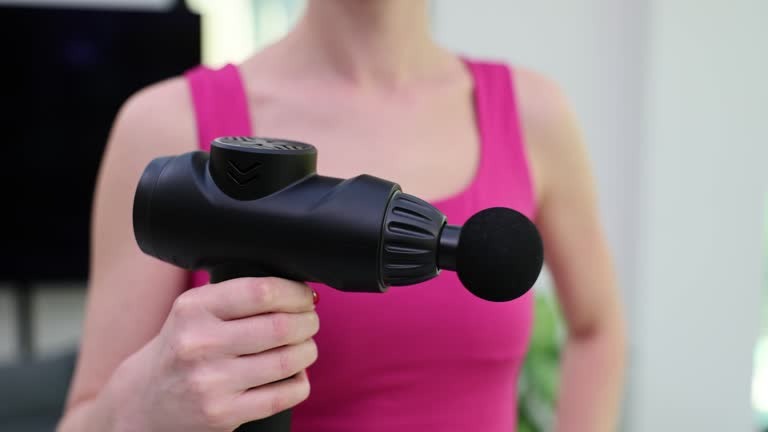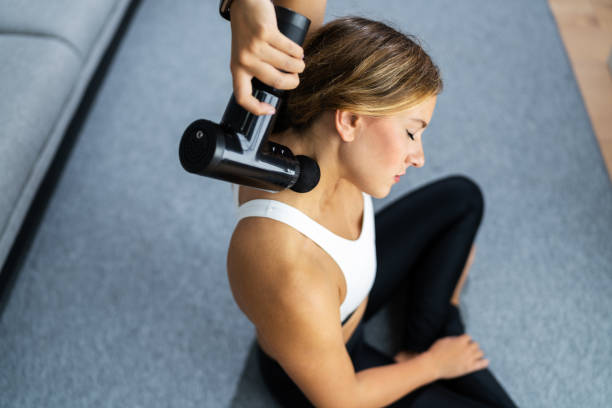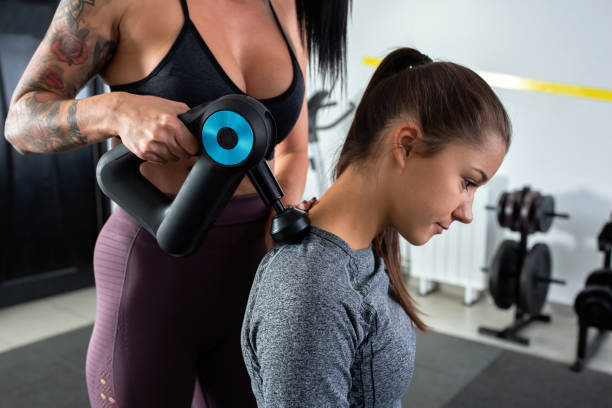
The percussion massager market has evolved beyond simple motors and interchangeable heads. Today’s high-end models come with “smart” features: app connectivity and built-in pressure sensors .
These added features promise to make your recovery smarter, safer, and more efficient. But with the significant price increase, the question remains: are these technological upgrades truly worth the extra money, or are they just gimmicks?
Our take: For beginners and data-driven athletes seeking personalized, scientifically-driven recovery, this investment is absolutely worth it. For experienced users who just want immediate pain relief, it’s largely unnecessary.
The core value of these smart features is simple: they transform the massage gun experience from relying on “feeling” to relying on “data”, greatly lowering the threshold for correct use and improving safety and effectiveness.
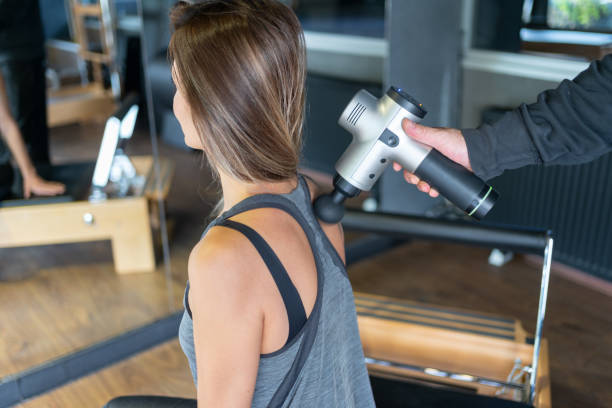
Beyond the Blind Shock: The Value of Data in Recovery
The most common mistakes people make when using massage guns are applying too much pressure, holding the gun for too long, or using the wrong massage head. Smart features are designed to correct these costly human errors.
1. Pressure Sensor: Your Safety Dashboard
The pressure sensor is arguably the most valuable hardware upgrade in a smart massager. It measures the precise amount of force (in pounds or Newtons) you’re applying to your muscles and provides real-time feedback via a light or a connected app.
Why pressure feedback is a game changer
Injury Prevention (Safety Net): The strong vibrations of a massage gun can temporarily numb or mask pain signals, meaning you may cause micro-trauma without immediately feeling pain. A sensor acts as your “safety indicator” by sounding an alarm when your force exceeds a safe threshold.
Optimizing Release: It helps you find the “sweet spot” for effective fascial release . This is usually a moderate, sustained pressure, not just the highest intensity you can handle.
Consistency: Sensors quantify your stress. You can ensure you apply exactly the same force to a tight left and right hip for more measurable and reliable recovery.
Bottom Line: For beginners or anyone prone to “overexerting” their muscles, a pressure sensor is a wise investment to avoid injury and optimize technique.
2. App Connect: Your Digital Recovery Coach
App connectivity transforms the massage gun from a simple tool into an interactive guidance system, linking your workout data, physical status, and recovery plan.
How app-guided daily activities can improve efficiency
Personalized, regular workout routines: The app has pre-set workout routines for specific activities (running, HIIT, yoga) or body parts (lower back, neck, shoulders). The app guides you – telling you which attachment to use, exactly where to place it, and the exact amount of time to exercise each area.
Value: This eliminates the confusion of “where do I put it?” and “how long do I have to keep it for?” , making professional-grade treatment possible at home.
Real-time stress visualization: The app receives real-time data from your stress sensor and displays it as a graph or color-coded areas to show whether you’re hitting your target stress range. Some advanced apps even use artificial intelligence to recommend recovery plans based on the intensity of your workout.
Value: It will bring back gamification, allowing you to track and log your training data just like you would weightlifting or running.
Usage Tracking: The app records duration, intensity, and routine completion to help you build better long-term recovery habits.
Conclusion: If you require a guided, systematic approach to rehabilitation, the app’s functionality is essential. It significantly shortens the learning curve and provides customized solutions that are not available with a manual alone.
Who needs to pay the smart tax?
The decision to upgrade should be based solely on your skill level and how you plan to use the equipment.
| User Profiles | Core issues/needs | Is the upgrade worth it? | Why? |
| Massage Gun for Beginners | Uncertainty about force, duration, and location. | Definitely worth it (high value) | Sensors and app guidance prevent injuries and establish correct technique instantly. |
| Data-driven athletes | Recovery needs to be quantified and precisely matched to training load. | Yes (professional requirement) | Application logs help monitor efficiency, and sensors ensure consistent application required for performance tracking. |
| The budget-conscious veterinarian | The technology is there; immediate on-site rescue is all that’s needed. | No (low value) | A high-quality basic model with a good motor is sufficient. The software features will not significantly improve their existing skills. |
In conclusion:
The integration of app control and pressure sensors brings rehabilitation into the era of “autonomous driving.” Traditionally, rehabilitation required extensive experience and sensory feedback to use correctly, but now it is safer, more convenient, and more effective for ordinary users.
If you’re a beginner, or if you prioritize precision, safety, and personalized guidance over a lower upfront cost, these smart upgrades are well worth the price. They’re not gimmicks, but an investment in the scientific rigor of your self-care routine.
Would you rather trust your instincts and pain tolerance, or rely on data-driven, intelligent guidance for your recovery?