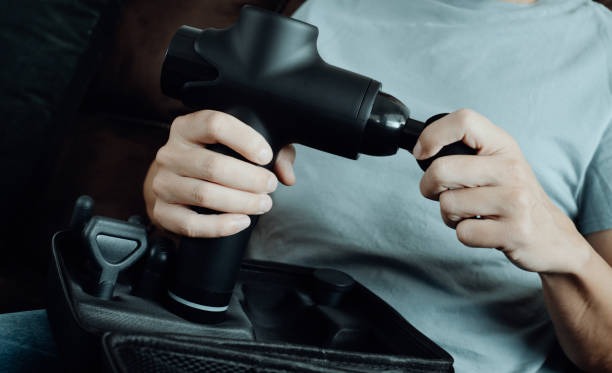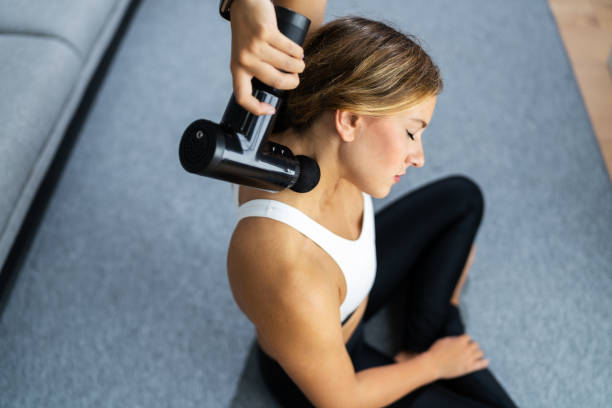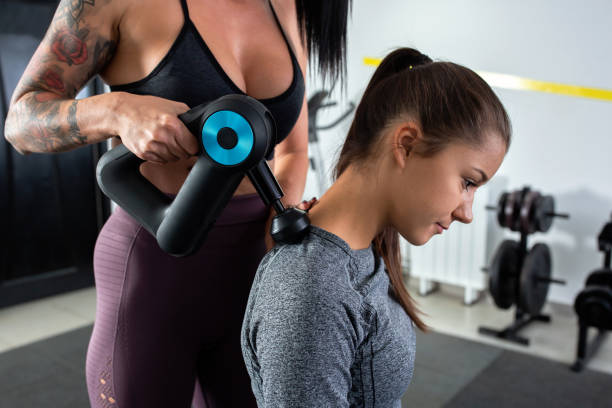
Massage guns have become a staple in the modern family’s wellness toolkit, often purchased by parents or grandparents hoping to alleviate everyday joint and muscle pain. It’s a loving gesture, but one that requires extreme caution.
Unlike energetic young people, the body of an older person is more like a delicate antique: bones may be fragile (osteoporosis), blood vessels may become less elastic, muscle mass may be reduced, and they often have chronic diseases such as taking anticoagulants or pacemakers.
If used incorrectly, the high-frequency vibration fascia gun will not only increase pain, but may also cause fractures, nerve damage and even life-threatening cardiovascular complications .
This article will provide you with a set of **”Three Rules for Using Fascia Guns for the Elderly”** recommended by physical therapists, guiding you on how to let your elders enjoy the comfort brought by technology in the safest and most effective way.
Rule 1: Always use gentle force – minimize impact
For older users, please completely abandon the concept of “deep impact.” Your goal is gentle blood circulation and surface relaxation , not forcefully untangling muscle knots.
Starting from the bottom: Treat bones like they’re fragile
The truth about fragility: Older adults lack the robust muscle padding of younger adults to absorb shock. Osteoporosis is a common risk, especially for women. Any unnecessary force will transmit shock directly to bones and fragile joints.
Safe operating rules:
Gear lock lowest: always start from the **lowest vibration frequency (gear 1 or 2)** to avoid professional-grade fascia guns with high stagnation force.
Let the gun sink by its own weight: only use the fascia gun’s own weight to contact the skin. Do not apply additional pressure downward with your hands, and do not try to achieve any “painful feeling”.
Quick Movements: Do not stay in the same area (even on the thighs) for more than 30 seconds . Maintain slow, continuous movements of the massage head, stroking rather than slapping.
Rule 2: Strictly follow the “restricted area” map – avoid areas with dense nerves and blood vessels
Because the soft tissue under the skin of older people is thinner, blood vessels and nerves are relatively more susceptible to impact damage. It is crucial to understand and adhere to the body’s “danger zones.”
4 “minefields” that must not be touched
Please use the fascia gun only on large muscle groups (such as buttocks, thighs, and arms) . The following areas must be absolutely prohibited:
Neck (sides and front): This is the most dangerous area. Strong vibrations can irritate the carotid sinus , disrupt heart rate and blood pressure, and can cause dizziness and fainting .

All bones and joints: spine, knees, elbows, collarbones, ankles. Direct impact to joints and ligaments can cause injury.
Chest, abdomen and armpits: The abdomen contains internal organs, and the armpits and groin are dense areas of lymph, blood vessels and nerves, which can easily cause unnecessary irritation.
Bruised or inflamed areas: If there is redness, warmth, or an obvious muscle strain, vibration will only worsen the inflammation and pain.
Massage head selection: Always use a large round or flat head , and avoid bullet heads or U-shaped forks that concentrate high pressure and can easily cause over-irritation on both sides of the spine.
Rule 3: Check your health before use – consult your doctor first
The role of the fascia gun is to assist relaxation and must not replace medical treatment. For elderly people with chronic diseases, the first condition for safety is the professional approval of a doctor .
“Medical license” for high-risk groups
The vibration of the fascia gun may affect the blood circulation and implants in the body. If your elders belong to the following high-risk groups, please consult the attending physician before use :
Patients with cardiovascular diseases: including those with heart disease, high blood pressure, pacemakers or stents in their bodies .
People with coagulation disorders: those taking anticoagulant medications (blood thinners) or with a history of venous thrombosis . Vibration may dislodge blood clots and cause embolism.
People with osteoporosis: As mentioned above, the risk of fractures is extremely high.
Diabetic patients: Especially those with peripheral neuropathy (hypoesthesia) may overuse because they cannot feel pain.
There are metal implants in the body: such as screws or steel plates.
Safety Summary: A fascia gun is a tool, not a medicine. It does not treat illnesses, but only soothes muscles. Any illness or injury should be treated by a professional medical professional first.
Conclusion: Patience and gentleness are the best secrets to recovery
Providing a massage gun to an elderly person shows your care, but make sure this care is based on safety and knowledge. Choose the lowest intensity, avoid all bones and sensitive areas, and seek professional guidance from a doctor if necessary.
Think of the massage gun as a gentle hand, not a heavy tool. Gentleness, gentleness, and patience are the best ways to help your elders maintain their health and comfort.
Have you used a fascia massage gun to help older adults relax? What are your thoughts on choosing the right intensity and area for the massage? Share your wisdom in the comments section to help more families use this device safely!